
What's Happening in Fairfield?
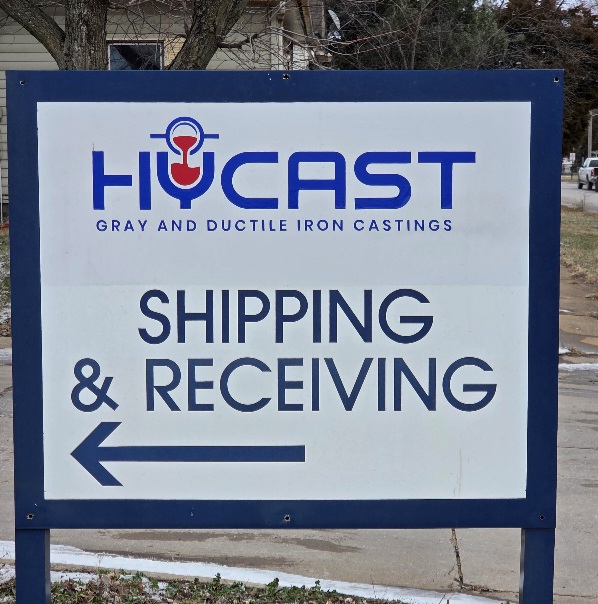
HyCast Foundry (905 W. Depot Ave) is seeking an air pollution permit from Iowa DNR. You can influence this decision.
The draft permit allows 441 TONS/YEAR of particulate matter and 25 TONS/YEAR of cancer-causing chemicals near our homes and schools—with NO continuous monitoring.
The foundry is just 0.5 miles from Maharishi School, 0.6 miles from MIU, and surrounded by residential neighborhoods.
The World Health Organization classifies these pollutants as GROUP 1 CARCINOGENS. Children, elderly, and people with asthma or heart disease are most at risk.
⏰ PUBLIC COMMENT DEADLINE: Feb 2, 2026 (Midnight)
⏰ Virtual Hearing: Jan 29, 2026 (7-9 PM)(Register Here)
Submit a public comment to Iowa DNR. Your voice legally matters—DNR must respond to every significant comment.
New: Use our AI-Assisted Legal Research tool below to draft high-impact comments that maximize effectiveness.
The Health Risks
These aren't just numbers—they represent real chemicals that enter your lungs, your children's lungs, every day. Here's what each pollutant does to the human body.
"The invisible killer"
What It Is
Microscopic particles (2.5 micrometers or smaller—30x thinner than a human hair) that bypass your nose and throat, penetrating deep into your lungs and entering your bloodstream.
Health Effects
- •Heart attacks and strokes
- •Lung cancer
- •Asthma attacks and reduced lung function
- •Premature death
- •Children's cognitive development impairment
Who's At Risk
Children, elderly, pregnant women, people with asthma, heart disease, or diabetes.
Official Classification
- •IARC Group 1 Carcinogen (causes cancer in humans)
- •WHO recommends <5 µg/m³ annual average
"Causes leukemia—no safe exposure level"
What It Is
A volatile organic compound (VOC) released during metal melting and from binders used in casting molds. Colorless with a sweet odor—but by the time you smell it, you've already been exposed.
Health Effects
- •Leukemia (blood cancer)—established cause
- •Aplastic anemia (bone marrow failure)
- •Damage to immune system
- •Reproductive harm
- •Neurological effects (dizziness, tremors)
Who's At Risk
Children's bone marrow is more active than adults', making them MORE susceptible to benzene's cancer-causing effects. Maharishi School is 0.5 miles away.
Official Classification
- •IARC Group 1: Carcinogenic to humans
- •EPA: Known human carcinogen
"Causes nasopharyngeal cancer and leukemia"
What It Is
A colorless gas with a strong, pungent smell. Released from resin binders used in foundry molds and cores. Also formed when organic materials burn incompletely.
Health Effects
- •Nasopharyngeal cancer (nose and throat)
- •Leukemia (particularly myeloid leukemia)
- •Severe respiratory irritation
- •Asthma triggers and worsening
- •Skin sensitization and allergic reactions
Official Classification
- •IARC Group 1: Carcinogenic to humans
- •EPA: Probable human carcinogen (B1)
"A potent carcinogen that accumulates in the body"
What It Is
A naturally occurring element that becomes airborne during metal smelting. Arsenic binds to particles and can travel long distances in the air. It accumulates in hair, nails, and organs over time.
Health Effects
- •Lung cancer (primary concern from inhalation)
- •Skin and bladder cancer
- •Cardiovascular disease
- •Peripheral neuropathy (nerve damage)
- •Developmental effects in children
Official Classification
- •IARC Group 1: Carcinogenic to humans
- •EPA: Class A human carcinogen
"Neurotoxins that harm children's developing brains"
What It Is
Toxic metals released during foundry operations. All three cause irreversible neurological damage, especially in children. Children absorb MORE lead and mercury than adults.
Health Effects
- •Lead: NO safe level—permanent IQ loss
- •Cadmium: Kidney disease and bone weakening
- •Mercury: Tremors, memory loss, cognitive decline
- •Developmental neurotoxicity (critical for fetuses)
"Respiratory carcinogens from metal processing"
What It Is
Metal compounds released when iron containing chromium or nickel impurities is melted. Chromium VI is particularly toxic—it's the chemical made famous by the Erin Brockovich case.
Health Effects
- •Lung cancer (well-established cause)
- •Nasal and sinus cancer
- •Severe respiratory damage
- •Skin ulcers and allergic reactions
- •Chronic bronchitis
Official Classification
- •Chromium VI: IARC Group 1 (carcinogenic)
- •Nickel Compounds: IARC Group 1 (carcinogenic)
"Reduces oxygen delivery to the heart and brain"
What It Is
A colorless, odorless gas produced by incomplete combustion of coke, natural gas, and other fuels used in the foundry. It binds to hemoglobin in blood 200x tighter than oxygen.
Health Effects
- •Reduced oxygen delivery to body tissues
- •Chest pain in people with heart disease
- •Impaired vision and coordination
- •Headaches, dizziness, confusion
- •Harmful to developing fetuses
Who's At Risk
People with cardiovascular disease, pregnant women, unborn babies, young children, and the elderly.
"Causes acid rain and severe lung irritation"
What It Is
Gases formed when fuel containing sulfur (like coke) is burned. They react in the atmosphere to form fine particles (PM2.5) and ground-level ozone (smog).
Health Effects
- •Narrowing of airways (bronchoconstriction)
- •Increased asthma symptoms
- •Emergency room visits for respiratory illness
- •Eye, nose, and throat irritation
- •Long-term lung damage
Who's At Risk
People with asthma are extremely sensitive to SO2—even short exposures can trigger attacks.
HyCast Foundry, LLC
Facility owner seeking the permit
905 W. Depot Ave, Fairfield, IA
Iowa DNR (Zane Peters)
State agency reviewing the permit
Must respond to your comments
U.S. EPA Region 7
Federal oversight; can object to permit
You can petition EPA if DNR ignores concerns
Fairfield Community
YOU have legal standing to comment
Your objections carry legal weight
Sensitive Receptors
We need everyone in Fairfield to know about this. Share this page with your neighbors.
Take Action
Public Meeting
Jan 17th, 2:00 PM
Fairfield Public Library
Sign The Petition
Tell Iowa DNR NOT to renew the permit.
Available at Everybody's
Understanding the HyCast Foundry
A visual guide to understanding the impact of the HyCast Foundry on our community.

Evidence Bank
Explore the facts, legal precedents, and technical data that support the objections in the Comment Builder.
EPA objected to this permit (Order VI-2023-12) because periodic testing cannot verify compliance for variable emissions. HyCast's permit has the identical flaw of relying on infrequent stack testing.
EPA objected to this permit because it failed to adequately control fugitive emissions. This precedent supports our objection regarding unquantified leaks and dust.
Under CAA § 505(b)(2), citizens can only petition the EPA if objections were raised "with reasonable specificity" during the public comment period. General complaints are not enough.
Action Flyer
Summary of immediate actions, meeting dates, and contact information for public comments.
This flyer was created by Fairfield Clean Air (fairfieldcleanair.org) and is shared here to support their community advocacy efforts. © 2025 Fairfield Clean Air. Used with attribution for nonprofit educational purposes.
 PUBLIC HEARING VIA ZOOM:
 Public Involvement Letter
Detailed letter explaining the HyCast Foundry permit situation, emission data, and health concerns.
This letter was created by Fairfield Clean Air (fairfieldcleanair.org) and is shared here to support their community advocacy efforts. © 2025 Fairfield Clean Air. Used with attribution for nonprofit educational purposes.
Submit Your Comment
Use this tool to generate a comprehensive, legally valid comment to the Iowa DNR.
Maximize Your Impact
This tool uses AI-assisted legal research to help you draft high-impact comments grounded in environmental law. The DNR is legally required to respond to substantive comments—our tool ensures yours counts.
Build Your Public Comment
Create a legally valid comment in minutes. Includes all required citations to protect your right to petition the EPA.
1Your Information
2Legal Objections
7/7 SelectedRelying on infrequent testing instead of continuous monitoring violates federal law.
No off-site monitoring to measure actual community exposure violates Clean Air Act.
Aging equipment may not meet Best Available Control Technology standards.
Fails to quantify or control leaks and startup/shutdown emissions.
Fails to evaluate risks to children and vulnerable groups near the facility.
Proposed limits are excessive for a facility near schools and homes.
Issuing a flawed permit now makes future corrections much harder.
3Supporting Evidence
12/12 SelectedEPA PRECEDENT - VALERO HOUSTON REFINERY (2025): In January 2025, EPA issued an order partially grant...
EPA PRECEDENT - SOUTH32 HERMOSA (2025): In June 2025, EPA issued an order on the South32 Hermosa per...
WORLD HEALTH ORGANIZATION - IARC CANCER CLASSIFICATION (2013): In 2013, the International Agency for...
EPA INTEGRATED SCIENCE ASSESSMENT FOR PARTICULATE MATTER (2019): EPA's Integrated Science Assessment...
CHILDREN'S HEALTH VULNERABILITY: Children are disproportionately vulnerable to air pollution for sev...
IRON AND STEEL FOUNDRIES NESHAP (40 CFR Part 63 Subpart EEEEE): Under the National Emission Standard...
EPA RACT/BACT/LAER CLEARINGHOUSE - AVAILABLE CONTROL TECHNOLOGY: EPA maintains the RACT/BACT/LAER Cl...
IOWA ADMINISTRATIVE CODE REQUIREMENTS (IAC 567): Iowa Administrative Code Chapter 567-22 establishes...
WHO GLOBAL AIR QUALITY GUIDELINES (2021): In September 2021, the World Health Organization issued up...
EPA PETITION RIGHTS UNDER CLEAN AIR ACT § 505(b)(2): Under Clean Air Act Section 505(b)(2) (42 U.S.C...
HAZARDOUS AIR POLLUTANTS TOXICITY DATA (EPA IRIS): The draft permit authorizes emissions of multiple...
COMPLIANCE ASSURANCE MONITORING REQUIREMENTS (40 CFR Part 64): Under 40 CFR Part 64, major sources s...
By clicking generate, you are creating a draft. You will have a chance to review it before sending.